Commitment to Sustainability
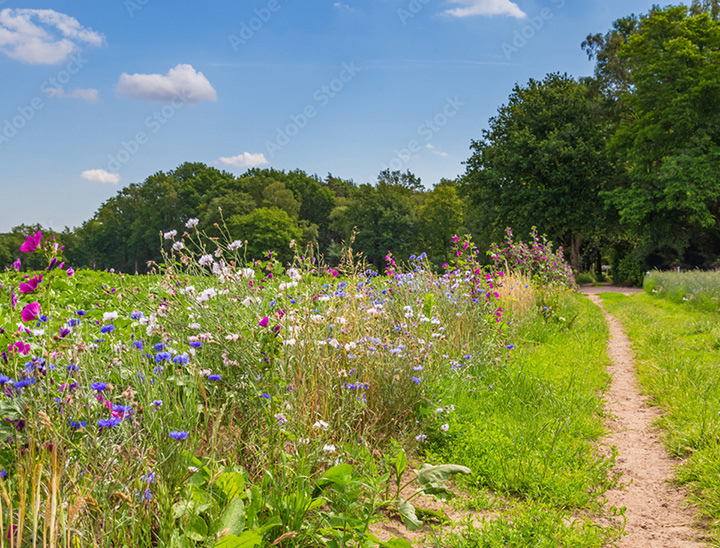
Supporting a greener future
Our vision is to provide a sustainable development that:
- Decreases the amount of embodied carbon needed upfront by using smart building materials and design techniques
- Development of net zero ready homes meeting the emerging Future Homes Standard, due 2025, incorporating renewable energy such as air source heat pumps and solar panels.
- Minimises the use of water, meeting building regulations higher water efficiency standard.
- Promotes sustainable travel and transport through enabling the use of public transport, cycle storage and parking and Electric Vehicle (EV) charging points.
- Adapts to future climate change scenarios by designing to mitigate overheating risk and incorporating sustainable drainage features such as SuDS.
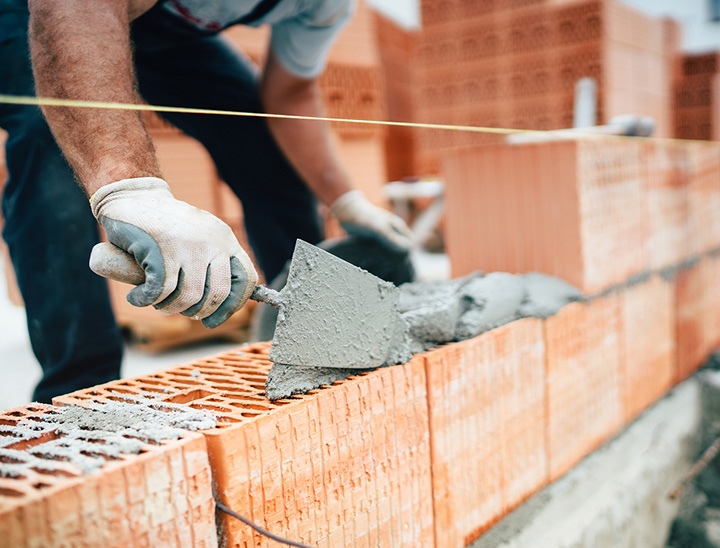
- Incorporating the principles of the circular economy to design and construction to minimise waste, promoting opportunities for reuse and recycling.
Flood mitigation
Sustainable surface water management
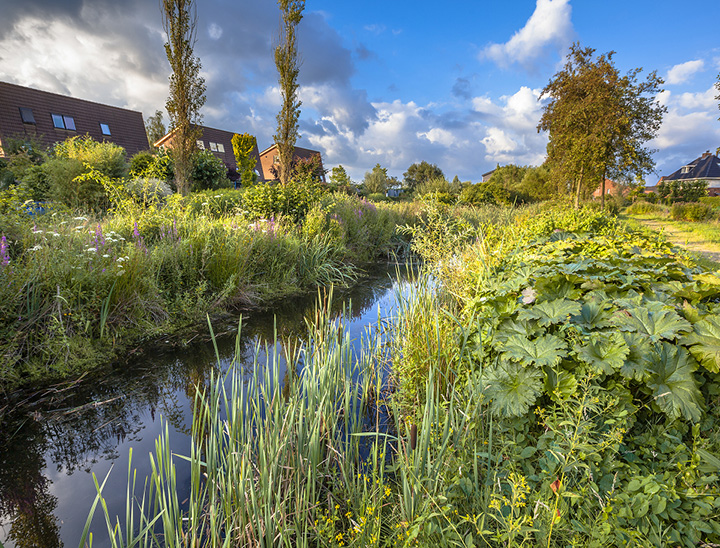
The proposed surface water drainage strategy will use sustainable urban drainage systems (SuDS) to capture, control and release water generated on-site, mimicking the current natural drainage with infiltration back into the ground in accordance with the drainage hierarchy.
The system will be designed to manage severe weather that happens very rarely, such as a 1-in-100-year storm event and to account for climate change and potential urban creep on the development.
The proposed SuDS features will be designed to also promote biodiversity and provide amenity benefits through an attractively planted detention basin, which will include new rich planted habitats.
Biodiversity
Habitats for all
The emerging proposals aim to create a place that feels connected to its landscape, with new public open spaces for everyone to enjoy. These spaces will include a mix of formal areas and more natural, informal settings, opening up land that is currently inaccessible to the local community.
The design approach celebrates the site’s existing landscape features, enhancing greenery and natural character while supporting local wildlife.
The development will also be designed to achieve at least a 10% biodiversity net gain on-site. This means creating more habitats and supporting more wildlife than currently exists, through measures such as species-rich planting, ecological enhancements, and extensive green buffers that help the new neighbourhood blend naturally with its surroundings.